
A well-maintained HVAC system can comfortably run 15+ years. A neglected one can start giving out well before the 10-year mark. The difference usually isn't one big thing — it's a handful of small habits that either protect the system or slowly wear it down. Here's what actually moves the needle.
Change Your Air Filter On Schedule
This is the single easiest thing you can do, and it's the one most often ignored. A clogged filter restricts airflow, forcing your system to work harder and run longer to hit the same temperature — which adds wear to the blower motor and can even cause the system to overheat and shut down. Check it monthly, and replace it every 1–3 months depending on your filter type and whether you have pets.
Keep the Outdoor Unit Clear
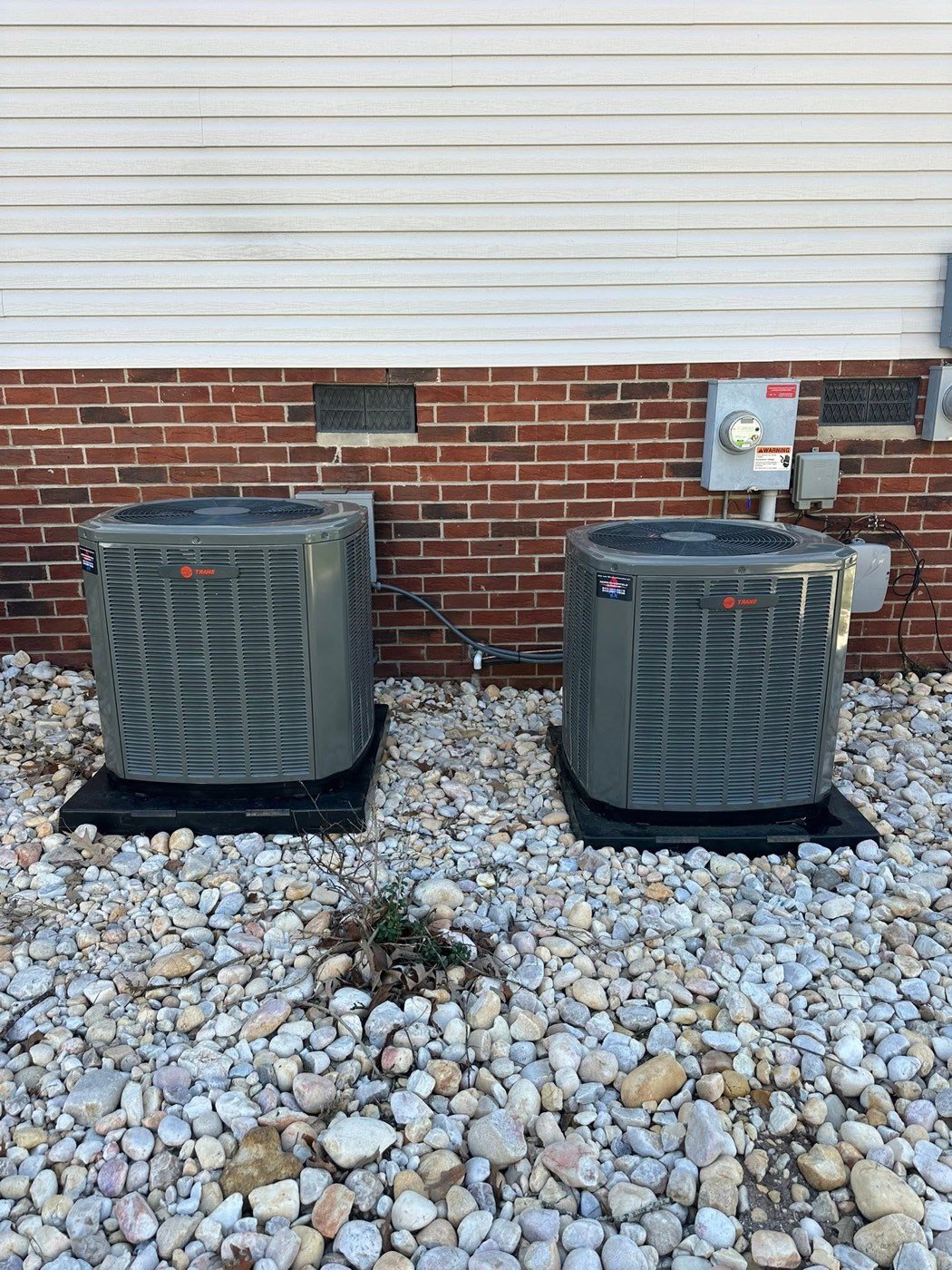
Your outdoor condenser needs open airflow on all sides to release heat efficiently. Grass clippings, leaves, mulch, and overgrown shrubs pressed up against the unit make it work harder than it should. Keep at least two feet of clearance around it, and give it a gentle hose-down when it's visibly dusty (with the power off).
Don't Skip the Annual Tune-Up
A yearly professional visit catches the small issues — a weak capacitor, a slightly low refrigerant charge, a dirty coil — before they turn into a breakdown or drag down efficiency for months without you noticing. It's the maintenance equivalent of an oil change: unglamorous, but it's what actually makes the equipment last as long as it's designed to.
Keep Vents and Returns Unblocked
Furniture, rugs, and curtains covering supply vents or return air grilles restrict airflow throughout the whole system, not just in that one room. Give every vent and return a clear path, and keep interior doors open when possible so air can circulate and equalize pressure across the house.
Watch Your Thermostat Habits
Constantly cranking the temperature up or down by large amounts forces your system to work in bursts at maximum output, which adds more wear than a steady, moderate setting. A programmable or smart thermostat that makes gradual adjustments — rather than swinging the temperature 10 degrees at a time — is easier on the equipment and usually cheaper to run.
Handle Small Problems Before They Grow
A slightly weird noise, a little less airflow than usual, a room that's not quite as cool as it should be — these are easy to brush off, but they're also the earliest, cheapest point to catch a developing problem. Waiting until the system fully stops working usually means a bigger repair, and sometimes damage that could have been avoided entirely.
The Short Version
- Change the filter every 1–3 months
- Keep 2 feet of clearance around the outdoor unit
- Get a professional tune-up once a year
- Keep vents and returns unblocked
- Avoid big, sudden thermostat swings
- Call about small issues before they become big ones
None of this requires special tools or expertise — just a little attention a few times a year. And when something does come up that's outside the DIY range, that's what we're here for.